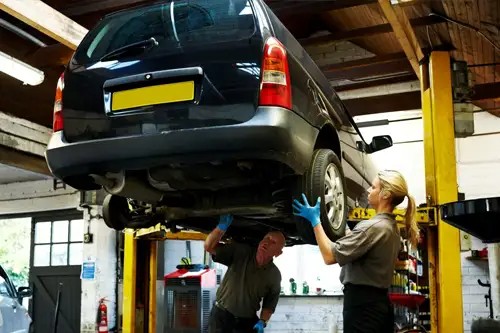

Commercial vehicles are the backbone of many businesses, from logistics and construction to delivery services. Whether you operate a single van or manage an entire HGV fleet, regular servicing is essential to keep your vehicles safe, compliant, and reliable.
One of the most common questions fleet owners ask is: How often should commercial vehicles be serviced? The answer depends on several factors, including vehicle type, mileage, operating conditions, manufacturer recommendations, and daily workload.
At Truck and Plant Group, we provide professional commercial vehicle servicing in Kempston and Bedford, helping local businesses minimise downtime, extend vehicle lifespan, and remain compliant with UK road safety regulations.
Why Regular Commercial Vehicle Servicing Matters
Unlike private vehicles, commercial vehicles spend long hours on the road carrying heavy loads. This places additional strain on critical components such as:
- Braking systems
- Suspension
- Engine
- Transmission
- Tyres
- Steering components
- Cooling systems
Routine servicing helps identify small issues before they become expensive repairs or cause unexpected breakdowns.
Benefits include:
- Improved vehicle reliability
- Lower repair costs
- Better fuel efficiency
- Increased vehicle lifespan
- Reduced downtime
- Improved road safety
- Better resale value
- Compliance with DVSA requirements
For businesses operating around Kempston, Bedford, and Bedfordshire, preventative maintenance is often far more cost-effective than emergency repairs.
How Often Should Commercial Vehicles Be Serviced?
There isn’t a single servicing interval that suits every commercial vehicle. However, most manufacturers recommend servicing every:
- Every 10,000–20,000 miles, or
- Every 6 to 12 months, whichever comes first.
Vehicles operating under demanding conditions may require servicing more frequently.
These include:
- HGVs carrying heavy loads
- Construction vehicles
- Local delivery vans with constant stop-start driving
- Plant machinery
- Fleet vehicles operating daily
Following the manufacturer’s service schedule is always the safest approach, but usage often determines how frequently inspections are needed.
Factors That Affect Service Frequency
1. Annual Mileage
Higher mileage means faster wear on components.
For example:
- Low-mileage commercial van: every 12 months
- High-mileage fleet vehicle: every 3–6 months
Businesses covering thousands of miles each month should schedule more regular inspections.
2. Load Weight
Vehicles consistently carrying maximum payloads place greater stress on:
- Suspension
- Brakes
- Tyres
- Wheel bearings
Heavy-duty operators should consider shorter servicing intervals.
3. Driving Conditions
Commercial vehicles operating around Bedford experience varying road conditions.
Frequent servicing is recommended if your vehicles regularly travel:
- Urban stop-start traffic
- Construction sites
- Rural roads
- Motorways carrying heavy freight
These environments increase wear on braking systems, suspension, and steering components.
4. Vehicle Age
Older commercial vehicles generally require more frequent maintenance due to natural wear and tear.
Regular inspections help prevent unexpected failures and expensive repairs.
What Is Included in a Commercial Vehicle Service?
A professional commercial vehicle service typically includes:
Engine Inspection
- Oil change
- Oil filter replacement
- Air filter inspection
- Fuel filter inspection
Brake System Check
- Brake pads
- Brake discs
- Brake lines
- Brake fluid
Steering & Suspension
- Shock absorbers
- Bushes
- Steering joints
- Suspension components
Tyre Inspection
Technicians check:
- Tread depth
- Tyre pressures
- Uneven wear
- Sidewall damage
Proper tyre maintenance improves fuel economy and road safety.
Electrical System
Including:
- Battery health
- Alternator
- Starter motor
- Vehicle lighting
- Wiring
Cooling System
Inspection of:
- Radiator
- Coolant
- Water pump
- Hoses
Overheating is one of the leading causes of commercial vehicle breakdowns.
Don’t Ignore Warning Signs
If your vehicle shows any of these symptoms, book a service immediately:
- Dashboard warning lights
- Reduced fuel economy
- Brake noises
- Engine knocking
- Excessive smoke
- Steering vibration
- Uneven tyre wear
- Difficulty starting
- Fluid leaks
Ignoring these signs often results in significantly more expensive repairs later.
Servicing Helps You Stay DVSA Compliant
Commercial vehicles in the UK must meet strict safety standards.
Routine servicing supports:
- Roadworthiness
- MOT preparation
- Safety inspections
- Operator licence compliance
- Reduced risk of roadside prohibitions
Keeping accurate maintenance records is also important for fleet operators.
Why Preventative Maintenance Saves Money
Many businesses delay servicing to reduce short-term costs.
Unfortunately, this often leads to:
- Unexpected breakdowns
- Lost business
- Recovery costs
- Expensive repairs
- Missed deliveries
- Vehicle downtime
Preventative servicing is significantly cheaper than replacing engines, gearboxes, braking systems, or suspension components after failure.
For businesses relying on daily transport, keeping vehicles on the road is essential.
Commercial Vehicle Servicing in Kempston and Bedford
Truck and Plant Group provides reliable servicing and repairs for commercial vehicles across:
- Kempston
- Bedford
- Bedfordshire
- Nearby industrial estates
- Local haulage companies
- Construction businesses
- Fleet operators
Our experienced technicians work with a wide range of commercial vehicles, including:
- HGVs
- Vans
- Tippers
- Fleet vehicles
- Plant machinery
- Construction equipment
We focus on preventative maintenance to reduce costly downtime and keep your business moving.
Why Choose Truck and Plant Group?
Businesses throughout Bedfordshire choose Truck and Plant Group because we offer:
- Experienced commercial vehicle technicians
- Comprehensive vehicle inspections
- Quality replacement parts
- Fast turnaround times
- Honest advice
- Fleet maintenance support
- HGV and plant machinery expertise
- Local service in Kempston
Whether you operate one vehicle or an entire fleet, we help keep your commercial vehicles safe, reliable, and compliant.
Frequently Asked Questions
How often should an HGV be serviced?
Most HGVs should be serviced every 6–8 weeks for safety inspections, with manufacturer-recommended services based on mileage and operating hours.
Is servicing different from an MOT?
Yes. An MOT checks whether your vehicle meets minimum legal roadworthiness standards, while servicing focuses on preventative maintenance to keep it running efficiently and reduce the risk of breakdowns.
Can frequent servicing reduce repair costs?
Yes. Identifying worn components early often prevents larger mechanical failures, helping businesses avoid expensive repairs and unexpected downtime.
How long does a commercial vehicle service take?
The time depends on the vehicle type and service level. A routine service can often be completed within a few hours, while more extensive inspections or repairs may take longer.