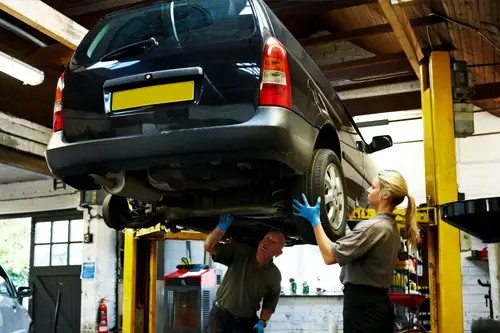

Commercial vehicles play an important role in keeping local businesses running. Whether a company operates delivery vans, service vehicles, HGVs or a mixed fleet, reliable transport is essential for completing jobs, meeting delivery schedules and maintaining customer satisfaction.
However, commercial vehicles often experience demanding working conditions. Frequent journeys, heavy loads, stop-start traffic and long operating hours can increase wear on important components. Without regular servicing, minor mechanical issues can develop into expensive repairs and unexpected breakdowns.
For businesses in Wilstead and the surrounding Bedfordshire area, a structured maintenance programme can help keep vehicles safe, reliable and suitable for daily operations.
Truck and Plant Group operates from its Bedford-based workshop, supporting local businesses with commercial vehicle servicing, HGV repairs, diagnostics, fleet maintenance and MOT testing. This guide explains why regular servicing matters and what businesses should consider when maintaining their commercial vehicles.
Why Is Commercial Vehicle Servicing Important?
Commercial vehicles are often essential to business operations. When a van or HGV becomes unavailable, it can affect deliveries, customer appointments, employee productivity and operating costs.
Regular servicing helps businesses monitor vehicle condition and identify developing mechanical problems before they cause major disruption.
Some important benefits include:
- Improved reliability: Routine maintenance helps identify faults that could lead to unexpected breakdowns.
- Better road safety: Checks of brakes, tyres, steering and suspension help identify potential safety concerns.
- Reduced repair expenses: Addressing wear and minor faults early may prevent more extensive mechanical damage.
- Improved vehicle performance: Appropriate servicing helps maintain engine operation and other essential systems.
- Less operational disruption: Planned maintenance makes it easier to schedule workshop visits around business activities.
- Better maintenance records: Documenting servicing and repairs helps businesses monitor vehicle condition and plan future work.
For companies searching for commercial vehicle servicing Wilstead, regular maintenance is a practical investment in fleet reliability and day-to-day business operations.
What Does Commercial Vehicle Servicing Include?
The servicing requirements of a commercial vehicle depend on its type, age, mileage, manufacturer recommendations and working conditions. A delivery van may require a different maintenance schedule from a heavy goods vehicle or specialist commercial vehicle.
However, several important areas should be considered during routine maintenance.
1. Engine Oil and Filter Maintenance
Engine oil lubricates moving components, reduces friction and helps control operating temperatures. Over time, oil deteriorates and collects contaminants, which can affect its ability to protect the engine.
Replacing engine oil and filters according to the manufacturer’s recommended schedule helps maintain engine performance and reduce unnecessary wear.
Businesses operating vehicles over long distances or under demanding conditions should pay particular attention to servicing intervals.
2. Brake System Inspection
Commercial vehicles may carry heavy loads and spend considerable time on the road. Their braking systems therefore need regular attention.
Brake inspections may include checking pads, discs, fluid levels, hoses and other relevant components.
Warning signs that require investigation include:
- Squealing or grinding noises.
- Changes in braking response.
- Unusual vibration when braking.
- Dashboard brake warnings.
- Visible damage or fluid leaks.
Any suspected brake defect should be assessed promptly. A vehicle that may be unsafe must not continue operating until the issue has been appropriately addressed.
3. Tyre Condition and Wheel Alignment
Tyres affect vehicle stability, handling, braking and fuel efficiency. Commercial vehicles may experience uneven tyre wear because of heavy loads, frequent journeys and road conditions.
Regular checks should consider tyre pressure, tread condition, visible damage and uneven wear.
If a vehicle consistently wears tyres unevenly, it may require further investigation into wheel alignment, steering or suspension components.
Maintaining appropriate tyre condition can help reduce unnecessary replacement costs and support safer vehicle operation.
4. Battery and Electrical System Checks
Modern commercial vehicles rely on electrical systems for starting, lighting, engine management, sensors and other essential functions.
A weak battery or electrical fault can cause starting problems and interfere with vehicle operation.
Routine checks may include battery condition, charging performance, electrical connections, lights and dashboard warning indicators.
If warning lights appear or electrical problems occur repeatedly, diagnostic testing may be needed to identify the underlying cause.
5. Cooling System and Fluid Checks
The cooling system helps regulate engine temperature, particularly when vehicles operate under heavy loads or cover long distances.
Technicians may inspect coolant levels, hoses, radiator condition and other relevant components for leaks or deterioration.
Other fluids, including brake fluid and transmission fluid where applicable, should also be checked according to the manufacturer’s maintenance requirements.
Identifying leaks and fluid-related issues early can help reduce the risk of mechanical damage.
6. Suspension and Steering Inspection
Suspension and steering components affect vehicle handling, stability and comfort. Commercial vehicles carrying heavy equipment or goods may place additional demands on these systems.
Inspections can help identify worn suspension components, damaged bushes, steering problems and other issues that may affect vehicle performance.
Unusual knocking noises, excessive vibration, uneven tyre wear or changes in steering response should be investigated by a qualified technician.
How Often Should Commercial Vehicles Be Serviced?
There is no universal servicing interval for every commercial vehicle. The correct schedule depends on the manufacturer’s recommendations, mileage, age, vehicle type and operating conditions.
Businesses should maintain individual servicing records for each vehicle rather than relying on one schedule for their entire fleet.
More frequent inspections or maintenance may be appropriate for vehicles that:
- Cover high annual mileage.
- Frequently carry heavy loads.
- Operate in stop-start traffic.
- Travel on rough or demanding routes.
- Remain in service for extended working hours.
- Have a history of recurring mechanical problems.
Fleet managers should also consider time-based servicing requirements. A vehicle that covers relatively few miles may still need maintenance because fluids, rubber components and batteries can deteriorate with age.
Following the manufacturer’s recommendations and responding to inspection findings helps establish an appropriate maintenance schedule.
How Regular Servicing Helps Prevent Commercial Vehicle Breakdowns
Unexpected breakdowns can be particularly disruptive for businesses that depend on their vehicles to deliver goods or provide services.
Preventative servicing helps reduce avoidable breakdown risks by identifying potential problems before they become more serious.
For example, replacing worn belts or damaged hoses at the appropriate time may help prevent related mechanical failures. Investigating a coolant leak can reduce the risk of overheating, while regular brake inspections help identify components that require attention.
A good maintenance programme should also include driver reporting procedures.
Drivers should be encouraged to report:
- Unusual engine noises.
- Warning lights.
- Changes in braking or steering.
- Fluid leaks.
- Excessive smoke.
- Starting difficulties.
- Unusual vibration or handling changes.
When drivers report problems promptly, fleet managers can arrange appropriate inspections and repairs rather than waiting for a vehicle to become unusable.
Commercial Vehicle Servicing and MOT Preparation
Servicing and MOT testing are different processes, but both are important for commercial vehicle maintenance.
An MOT is a statutory roadworthiness test that checks specified safety and environmental requirements. The applicable test depends on the vehicle category and its use.
Servicing focuses on maintaining the vehicle according to manufacturer recommendations and its mechanical condition.
Regular maintenance can help identify potential defects before an MOT appointment. However, a service does not guarantee an MOT pass, and passing an MOT does not mean that a vehicle will remain free from mechanical problems throughout the year.
Businesses should keep track of relevant test dates and arrange repairs for identified defects without unnecessary delays.
For operators of goods vehicles, it is also important to maintain suitable inspection and maintenance arrangements in line with applicable DVSA requirements.
Choosing a Commercial Vehicle Servicing Provider Near Wilstead
Selecting the right workshop is an important decision for businesses that rely on commercial vehicles.
A suitable provider should understand the maintenance requirements of the vehicles being operated and be able to explain recommended repairs clearly.
Consider the following factors when comparing servicing providers.
Experience with commercial vehicles: Check whether the workshop has experience working with the vehicle types in your fleet, including vans and HGVs.
Range of services: A provider offering servicing, repairs and diagnostics may make it easier to manage different maintenance requirements.
Diagnostic capabilities: Modern commercial vehicles may require specialist equipment to investigate electronic faults, engine warnings and emissions-related problems.
Clear communication: You should receive an explanation of identified problems, recommended work and associated costs before authorising repairs.
Convenient location: Consider the distance between your business, regular operating routes and the workshop.
Maintenance support: Ask whether the provider can help coordinate planned servicing and repairs around your business requirements, subject to availability.
For local companies in Wilstead, considering a Bedford-based workshop may provide a practical option for accessing commercial vehicle maintenance and repair services.
Commercial Vehicle Servicing in Wilstead With Truck and Plant Group
Keeping commercial vehicles properly maintained is essential for businesses that depend on reliable transport. Regular inspections, scheduled servicing and timely repairs can help reduce avoidable breakdowns and support safer vehicle operation.
Truck and Plant Group operates from its Bedford-based workshop and supports businesses across surrounding Bedfordshire areas, including Wilstead.
Its services include:
- Commercial vehicle servicing and repairs.
- HGV and heavy vehicle repairs.
- Vehicle diagnostics.
- Fleet maintenance.
- MOT testing and preparation.
- Brake, suspension and other mechanical repairs.
Whether your business operates delivery vans, company vehicles or HGVs, a suitable maintenance schedule can help you monitor vehicle condition and plan repairs more effectively.
If your commercial vehicle is due for servicing or your fleet requires maintenance support, contact Truck and Plant Group on 01234 339804 to discuss your requirements and confirm available services.
Frequently Asked Questions
1. What is included in commercial vehicle servicing?
Commercial vehicle servicing may include engine oil and filter replacement, brake inspections, tyre checks, battery testing, fluid checks, cooling system inspections and diagnostic assessments. The exact work depends on the vehicle and its maintenance schedule.
2. How often should commercial vehicles be serviced?
Servicing intervals depend on manufacturer recommendations, vehicle mileage, age and operating conditions. Businesses should maintain a separate schedule for each vehicle and arrange additional inspections where necessary.
3. Why is preventative maintenance important for commercial fleets?
Preventative maintenance helps identify developing faults before they cause more serious problems. It can reduce avoidable breakdown risks, support roadworthiness and make repair planning easier for fleet managers.
4. Can regular servicing reduce commercial vehicle operating costs?
Regular servicing can help identify minor faults before they become more expensive repairs. It may also support better vehicle reliability and reduce disruption, although actual savings depend on vehicle condition and usage.
5. Is commercial vehicle servicing the same as an MOT?
No. An MOT checks specified roadworthiness and environmental requirements, while servicing focuses on routine maintenance and the condition of vehicle components. Both play important roles in vehicle care.
6. Does Truck and Plant Group provide commercial vehicle servicing for Wilstead businesses?
Truck and Plant Group operates from Bedford and supports businesses across surrounding Bedfordshire areas, including Wilstead. Contact the team on 01234 339804 to discuss your vehicle requirements and confirm service availability.
Conclusion
Commercial vehicles are essential to many businesses in Wilstead, from local trades and delivery companies to transport and logistics operators. Without regular maintenance, mechanical problems can lead to unexpected breakdowns, higher repair expenses and disruption to daily operations.
By following appropriate servicing schedules, monitoring vehicle condition and addressing faults promptly, businesses can improve fleet reliability and manage maintenance more effectively.
Truck and Plant Group provides commercial vehicle servicing, HGV repairs, diagnostics and fleet maintenance support from its Bedford-based workshop, helping local businesses maintain their vehicles and keep their operations moving.