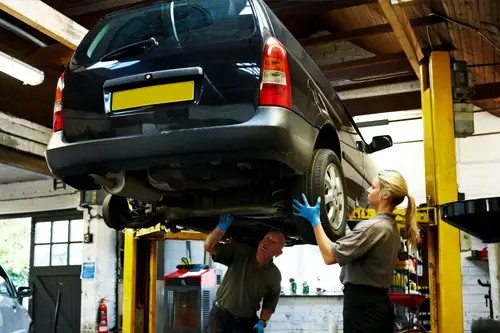

For businesses that rely on cars, vans, heavy goods vehicles (HGVs) or other commercial vehicles, keeping the fleet operational is essential for maintaining productivity and meeting customer commitments. Unexpected breakdowns, overdue servicing and unresolved mechanical faults can disrupt daily operations, delay deliveries and increase running costs.
For companies operating in Wilstead and the surrounding Bedfordshire area, a structured fleet maintenance programme can help reduce avoidable vehicle downtime and improve operational reliability. By combining regular inspections, preventative servicing and timely repairs, businesses can identify potential problems before they develop into more serious mechanical failures.
Truck and Plant Group operates from its Bedford-based workshop, supporting local businesses with vehicle servicing, commercial vehicle repairs, diagnostics, MOT testing and fleet maintenance services.
What Is Fleet Maintenance?
Fleet maintenance involves the regular inspection, servicing and repair of vehicles used by a business. It applies to organisations operating a small number of company cars as well as transport businesses managing larger fleets of vans, HGVs and other commercial vehicles.
The objective is to keep vehicles safe, roadworthy and suitable for their intended use while reducing the likelihood of unexpected mechanical problems.
A fleet maintenance programme typically includes:
- Scheduled servicing based on manufacturer recommendations.
- Regular vehicle inspections and defect reporting.
- Brake, tyre, steering and suspension checks.
- Engine and transmission maintenance.
- Fluid, cooling system and battery checks.
- Diagnostic testing and fault investigation.
- MOT preparation and repairs where required.
- Maintenance records and repair history management.
For businesses seeking fleet maintenance Wilstead, establishing a consistent approach to vehicle care can make it easier to plan workshop visits, monitor vehicle condition and manage maintenance expenditure.
Why Is Vehicle Downtime a Problem for Businesses?
Vehicle downtime occurs when a vehicle cannot be used for its intended purpose because it requires repairs, maintenance or inspection. Although some downtime is unavoidable, poor maintenance planning can increase the risk of unexpected interruptions.
The impact depends on the type of business and how heavily it relies on its vehicles.
1. Delayed Deliveries and Missed Appointments
A delivery van that develops an engine fault or an HGV that experiences a brake problem may be unable to complete its scheduled journey. Businesses may need to rearrange deliveries, allocate another vehicle or notify customers about delays.
For service-based businesses, an unavailable vehicle can also lead to missed appointments and changes to daily schedules.
2. Higher Repair and Recovery Costs
A minor mechanical issue can sometimes develop into a more expensive fault when left unresolved. For example, ignoring a cooling system leak may lead to overheating and potentially serious engine damage.
Unexpected breakdowns can also involve recovery costs, emergency repairs and additional administrative work.
Regular inspections and prompt repairs can help reduce these risks, although they cannot eliminate every unexpected failure.
3. Lost Productivity
When a vehicle is unavailable, drivers and other employees may be unable to complete their usual tasks. Managers may need to rearrange routes, redistribute workloads or find temporary alternatives.
For businesses with limited spare vehicles, even one breakdown can affect several planned activities.
4. Increased Pressure on Other Vehicles
If one vehicle becomes unavailable, the remaining fleet may have to handle additional work. This can increase mileage, operating hours and wear on vehicles that are already in regular use.
A maintenance strategy that considers the whole fleet can help businesses distribute workloads more effectively and plan repairs around operational demands.
How Preventative Fleet Maintenance Reduces Downtime
Preventative maintenance focuses on identifying and addressing potential faults before they cause major disruption. Rather than waiting for a vehicle to break down, businesses use scheduled inspections and servicing to monitor vehicle condition.
The following practices can help improve fleet reliability.
1. Create a Scheduled Servicing Plan
Every vehicle should have a maintenance schedule based on its manufacturer’s recommendations, mileage, age and operating conditions.
Cars, vans and HGVs may require different service intervals and inspection arrangements. Vehicles covering long distances, carrying heavy loads or operating in stop-start traffic may also experience different wear patterns.
A fleet maintenance schedule should record:
- Upcoming service dates and mileage targets.
- MOT and other applicable testing dates.
- Previous repairs and inspection findings.
- Recommended follow-up work.
- Recurring mechanical issues.
- Vehicle availability for planned maintenance.
Maintaining an organised schedule helps managers arrange servicing before it becomes overdue and reduces the risk of several vehicles requiring workshop attention at the same time.
2. Carry Out Regular Vehicle Inspections
Routine inspections can identify visible problems that might otherwise go unnoticed until they affect vehicle operation.
Depending on the vehicle and inspection procedure, checks may include tyres, lights, brakes, visible leaks, fluid levels, steering, suspension and warning indicators.
Commercial vehicle operators should establish suitable driver walkaround checks and defect-reporting procedures in line with applicable requirements.
Any identified fault should be assessed according to its severity. Safety-critical defects require prompt action, and vehicles that may be unsafe must not continue operating until the issue has been addressed appropriately.
3. Investigate Warning Lights and Unusual Symptoms
Modern vehicles use electronic systems to monitor engine performance, emissions, braking systems and other components. Warning lights may indicate anything from a minor issue to a fault that requires immediate attention.
Drivers should report warning lights, unusual noises, vibrations, overheating, loss of power and changes in braking or steering performance.
Diagnostic equipment can help technicians identify fault codes and investigate the underlying cause. Early diagnosis may prevent unnecessary parts replacement and reduce the risk of a small issue developing into a larger repair.
4. Monitor Tyres, Brakes and Suspension
Tyres, brakes and suspension components are particularly important for vehicle safety and reliability.
Incorrect tyre pressures, uneven tread wear, damaged tyres, worn brake components or deteriorating suspension parts can affect handling and braking performance. These problems may also lead to additional repair requirements if ignored.
Regular checks help businesses identify wear and arrange appropriate maintenance before components deteriorate further.
For fleets operating across Bedfordshire, monitoring these systems is especially important when vehicles cover frequent journeys, carry heavy loads or travel on a mixture of urban and rural roads.
5. Address Small Repairs Promptly
Delaying minor repairs can increase the likelihood of further damage. A leaking hose, deteriorating belt or electrical fault may seem manageable initially, but the consequences can become more serious if the problem worsens.
Fleet managers should prioritise repairs according to safety, vehicle condition and operational importance rather than postponing every issue until the next scheduled service.
A clear approval process can help ensure that drivers, managers and technicians understand how faults should be reported, assessed and repaired.
Using Maintenance Records to Make Better Decisions
Accurate maintenance records help businesses understand how their vehicles are performing and where maintenance resources are being spent.
Useful information includes service dates, mileage, repair costs, recurring faults, inspection results and periods when vehicles were unavailable.
Reviewing these records can help fleet managers identify patterns. For example, repeated repairs involving the same component may indicate that a more detailed investigation is necessary. A vehicle with consistently high repair costs may also need to be assessed for replacement.
Businesses can monitor several practical measures:
- Vehicle downtime: How long each vehicle remains unavailable.
- Maintenance expenditure: Routine servicing and repair costs over time.
- Repeat faults: Problems that return after previous repairs.
- Scheduled maintenance completion: Whether services and inspections are completed on time.
- Vehicle availability: The proportion of the fleet available for planned work.
These measures can help managers assess whether their maintenance arrangements are working effectively and identify areas for improvement.
Fleet Maintenance for Different Types of Businesses
Fleet requirements vary according to the type of vehicles a business operates and the work those vehicles perform.
Delivery and Logistics Companies
Delivery businesses often depend on vans and HGVs to complete scheduled routes. Preventative servicing, tyre checks, brake inspections and prompt fault diagnosis can help reduce avoidable interruptions.
Maintenance should be planned around delivery commitments where possible, while safety-related repairs must always take priority.
Construction and Plant Businesses
Construction companies may operate commercial vehicles, support vehicles and specialist plant. These assets can experience demanding working conditions, heavy use and exposure to dust, debris and uneven surfaces.
Maintenance plans should reflect each asset’s requirements and operating environment, with inspections and repairs carried out by appropriately qualified personnel.
Trades and Service Businesses
Plumbers, electricians, maintenance contractors and other service providers may depend on vans or cars to reach customers and transport tools.
Regular servicing, battery checks, tyre maintenance and early investigation of mechanical faults can help keep these vehicles available for scheduled appointments.
Businesses With Mixed Fleets
Organisations operating cars, vans and HGVs need maintenance arrangements that account for different servicing schedules, testing requirements and operating demands.
Keeping centralised records and assigning clear responsibility for vehicle maintenance can make the process easier to manage.
Choosing a Fleet Maintenance Provider Near Wilstead
Working with a suitable maintenance provider can help businesses coordinate servicing and repairs more effectively.
When comparing providers, consider the following factors:
Range of services: Check whether the provider can support the vehicle types in your fleet and carry out the servicing, diagnostics and repairs you need.
Commercial vehicle experience: Businesses operating vans and HGVs should look for relevant expertise rather than assuming every garage handles all vehicle categories.
Clear communication: You should receive understandable explanations of identified faults, recommended repairs and associated costs.
Maintenance planning: Ask whether servicing and repair visits can be arranged to support your operational requirements, subject to workshop capacity.
Location and accessibility: Consider the distance between your business, operating routes and the workshop.
Record keeping: Clear service and repair records make it easier to track vehicle condition and plan future maintenance.
For businesses in Wilstead, a Bedford-based workshop may be a practical option for accessing vehicle servicing and commercial vehicle repair support.
Fleet Maintenance Support From Truck and Plant Group
Effective fleet maintenance helps businesses reduce avoidable downtime, manage repair expenditure and maintain reliable transport operations. Regular servicing, routine inspections, prompt diagnostics and accurate maintenance records all contribute to a more organised approach to vehicle management.
Truck and Plant Group operates from its Bedford-based workshop and supports businesses across surrounding Bedfordshire areas, including Wilstead. Its services include vehicle servicing, HGV and commercial vehicle repairs, diagnostics, fleet maintenance and MOT testing.
Whether your business operates a small number of company vans or relies on commercial vehicles for daily transport activities, a consistent maintenance plan can help identify issues earlier and make workshop visits easier to manage.
To discuss your fleet’s maintenance requirements, contact Truck and Plant Group on 01234 339804. The team can advise on available services and help you determine the appropriate next steps for your vehicles.
Frequently Asked Questions
1. What does fleet maintenance include?
Fleet maintenance can include scheduled servicing, vehicle inspections, diagnostic checks, mechanical repairs, tyre and brake inspections, MOT preparation and maintenance record management. The exact requirements depend on the vehicles and how they are used.
2. How can businesses reduce vehicle downtime?
Businesses can reduce avoidable downtime by following servicing schedules, carrying out regular inspections, encouraging prompt defect reporting, investigating warning lights and arranging repairs before faults become more serious.
3. How often should a business fleet be serviced?
Service intervals vary according to vehicle type, manufacturer recommendations, mileage and operating conditions. Fleet managers should maintain an individual schedule for each vehicle and account for any additional maintenance needs identified during inspections.
4. Is fleet maintenance important for small businesses?
Yes. Even a business operating one or two vehicles can experience disruption when a vehicle becomes unavailable. Regular maintenance helps small businesses plan repairs, monitor vehicle condition and reduce the risk of unexpected problems.
5. Can fleet maintenance help reduce operating costs?
Preventative maintenance can help identify faults earlier, reduce avoidable breakdowns and support more effective repair planning. Actual savings depend on vehicle condition, usage, maintenance costs and the nature of any mechanical problems.
6. Does Truck and Plant Group provide fleet maintenance near Wilstead?
Truck and Plant Group operates from Bedford and serves surrounding Bedfordshire areas, including Wilstead. Contact the workshop on 01234 339804 to discuss your fleet requirements and confirm the services available for your vehicles.
Conclusion
Vehicle downtime can affect productivity, delivery schedules, customer satisfaction and business costs. For companies operating in Wilstead, a structured fleet maintenance programme provides a practical way to monitor vehicle condition, arrange timely repairs and reduce avoidable disruption.
By combining scheduled servicing, regular inspections, diagnostic checks and accurate maintenance records, businesses can make better-informed decisions about their fleets.
Truck and Plant Group supports local businesses with vehicle servicing, commercial vehicle repairs and maintenance services from its Bedford-based workshop, helping operators across the surrounding area manage their vehicle maintenance needs.