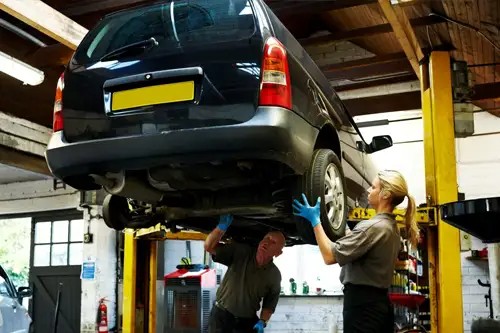

Keeping your truck in top condition is essential for safety, performance, fuel efficiency, and long-term reliability. Whether you use your truck for business, construction work, deliveries, or personal transportation, regular maintenance helps prevent costly breakdowns and extends the lifespan of your vehicle. Ignoring routine inspections can lead to unexpected repairs, downtime, and increased operating costs.
In this guide, we’ll cover the most important truck maintenance tasks every owner should perform to keep their vehicle running smoothly throughout the year.
Why Regular Truck Maintenance Matters
A truck experiences significant wear and tear due to heavy loads, long-distance travel, and varying road conditions. Regular maintenance helps:
- Improve fuel efficiency
- Reduce the risk of breakdowns
- Extend engine life
- Enhance road safety
- Lower repair costs over time
- Maintain vehicle value
By following a proactive maintenance schedule, truck owners can identify minor issues before they develop into major mechanical failures.
Check Engine Oil Regularly
Engine oil is the lifeblood of your truck’s engine. It lubricates moving parts, reduces friction, and helps regulate temperature.
You should:
- Check oil levels weekly
- Follow manufacturer-recommended oil change intervals
- Replace oil filters during oil changes
- Look for signs of contamination or leaks
Low or dirty oil can cause excessive engine wear and eventually lead to costly engine repairs.
Inspect Tyres and Maintain Proper Pressure
Tyres directly impact handling, fuel consumption, and safety. Driving with underinflated or worn tyres can increase stopping distances and reduce vehicle stability.
Regular tyre maintenance includes:
- Checking tyre pressure weekly
- Inspecting tread depth
- Looking for uneven wear patterns
- Rotating tyres as recommended
- Removing debris lodged in tyre treads
If you notice rapid air loss or tyre damage, seek professional Puncture Repair services promptly to prevent further issues and ensure safe driving.
Monitor Wheel Alignment
Incorrect wheel alignment can negatively affect steering control and accelerate tyre wear. Trucks that frequently travel over rough roads, potholes, or construction sites are especially vulnerable to alignment issues.
Common signs of alignment problems include:
- Vehicle pulling to one side
- Uneven tyre wear
- Crooked steering wheel
- Reduced fuel efficiency
Scheduling regular Wheel Alignment checks helps improve handling, extend tyre life, and maintain optimal vehicle performance.
Inspect Brake Components
Brakes are among the most critical safety systems on any truck. Brake issues should never be ignored.
Check regularly for:
- Worn brake pads
- Damaged brake discs
- Brake fluid leaks
- Unusual noises when braking
- Reduced braking responsiveness
Professional brake inspections can identify wear before it becomes a serious safety concern.
Keep the Cooling System Healthy
Truck engines generate significant heat during operation. The cooling system prevents overheating and protects critical engine components.
Maintenance tasks include:
- Checking coolant levels
- Inspecting radiator hoses
- Looking for coolant leaks
- Flushing coolant according to manufacturer guidelines
- Cleaning radiator fins when necessary
An overheating engine can result in severe damage and expensive repairs, making cooling system maintenance essential.
Test the Battery and Electrical System
Truck batteries work hard, particularly in commercial vehicles with additional electrical demands.
Battery maintenance should include:
- Checking terminal connections
- Cleaning corrosion buildup
- Testing battery voltage
- Inspecting alternator performance
- Ensuring all lights function correctly
Replacing a weak battery before failure can help avoid roadside breakdowns.
Check Transmission and Clutch Performance
Smooth gear changes are crucial for efficient truck operation. Transmission and clutch components experience constant stress, particularly in vehicles used for towing or heavy hauling.
Watch for:
- Difficulty shifting gears
- Slipping gears
- Unusual noises
- Burning smells
- Reduced acceleration
If you notice these symptoms, professional Clutch Repair services can help restore proper functionality and prevent more extensive transmission damage.
Replace Air Filters
Air filters protect your engine by preventing dirt, dust, and debris from entering the combustion system.
A clogged air filter may cause:
- Reduced fuel economy
- Lower engine performance
- Increased emissions
- Engine strain
Inspect air filters regularly and replace them according to manufacturer recommendations, especially if your truck operates in dusty environments.
Inspect Belts and Hoses
Belts and hoses play a vital role in powering essential systems throughout the truck.
During inspections, look for:
- Cracks
- Fraying
- Soft spots
- Leaks
- Loose connections
Replacing worn belts and hoses before they fail can help prevent unexpected breakdowns and costly repairs.
Maintain Proper Fluid Levels
Several fluids are necessary for safe and efficient truck operation.
These include:
- Engine oil
- Coolant
- Brake fluid
- Transmission fluid
- Power steering fluid
- Windshield washer fluid
Low fluid levels can lead to mechanical failures, poor performance, and safety risks. Conduct routine checks and top up fluids as needed.
Inspect Suspension Components
The suspension system supports vehicle stability, ride comfort, and load management.
Signs of suspension wear include:
- Excessive bouncing
- Uneven tyre wear
- Poor handling
- Vehicle leaning during turns
Regular inspections can identify worn shocks, springs, and bushings before they affect vehicle safety.
Keep Lights and Safety Equipment Functional
Properly functioning lights are essential for visibility and legal compliance.
Inspect regularly:
- Headlights
- Brake lights
- Indicators
- Reverse lights
- Reflectors
Also ensure emergency equipment such as warning triangles, fire extinguishers, and first-aid kits remain accessible and in good condition.
Wash and Protect Your Truck
Exterior maintenance is often overlooked but plays a key role in preserving your truck’s condition.
Regular washing helps:
- Remove dirt and road salt
- Prevent rust formation
- Protect paintwork
- Improve vehicle appearance
Pay special attention to the undercarriage, where corrosion commonly develops.
Follow a Preventive Maintenance Schedule
One of the most effective ways to avoid costly repairs is by creating a preventive maintenance routine.
Your maintenance schedule should include:
- Daily visual inspections
- Weekly fluid checks
- Monthly tyre inspections
- Scheduled servicing intervals
- Annual comprehensive inspections
Working with experienced service providers such as Uk Truck and Plant can help ensure your truck receives professional inspections and maintenance tailored to its operational demands.
Final Thoughts
Truck maintenance is not just about preventing breakdowns it is about protecting your investment, improving safety, and maximizing performance. By regularly checking fluids, tyres, brakes, batteries, cooling systems, and other essential components, you can significantly reduce repair costs and extend the life of your vehicle.
A well-maintained truck delivers greater reliability, better fuel efficiency, and improved safety on every journey. Establishing a consistent maintenance routine today can save you considerable time, money, and stress in the future.