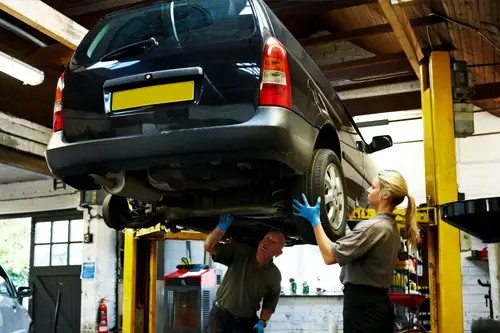

Have you noticed your car drifting or pulling to the left or right while driving? Even if the movement seems minor, it should not be ignored. A vehicle that consistently pulls to one side can indicate problems with wheel alignment, tyre pressure, suspension, braking components or steering.
These issues can affect handling, increase tyre wear and make driving less predictable. Identifying the cause early can help prevent further damage and maintain vehicle safety.
If you are experiencing this problem, understanding the common causes can help you decide when to arrange a professional inspection. For drivers looking for Car Wheel Alignment Bedford, Truck and Plant Group provides vehicle maintenance and repair services in Bedford and surrounding areas.
What Does It Mean When Your Car Pulls to One Side?
A car pulls to one side when it does not maintain a straight direction without constant steering correction. You may notice the steering wheel needs to be held slightly to the left or right, or the vehicle gradually moves towards one side when driving on a straight road.
There is an important difference between normal road conditions and a mechanical problem. Roads are sometimes designed with a slight slope to help rainwater drain away, which can cause a vehicle to move slightly towards the edge. However, if your car consistently pulls in the same direction on different suitable roads, it may need checking.
7 Common Reasons Your Car Pulls to One Side
Several mechanical and maintenance issues can cause a vehicle to drift or pull away from a straight line.
1. Incorrect Wheel Alignment
Incorrect wheel alignment is one of the most common reasons a car pulls to one side. Wheel alignment refers to the adjustment of the angles of your vehicle’s wheels according to the manufacturer’s specifications.
When the wheels are not correctly aligned, they may not point in the intended direction. This can cause the car to drift, affect steering response and create uneven tyre wear.
Common signs of poor wheel alignment include:
- The car consistently pulls left or right.
- The steering wheel sits at an angle when driving straight.
- Tyres show uneven wear across their tread.
- The steering feels less predictable.
- You need to make frequent steering corrections.
Potholes, kerbs and rough road surfaces can affect wheel alignment. If you notice these symptoms, arranging a professional alignment check can help identify whether adjustments are required.
2. Uneven Tyre Pressure
Incorrect tyre pressure can also cause your vehicle to pull to one side. If one front tyre has significantly lower pressure than the other, it can affect how the vehicle handles and responds to steering inputs.
Underinflated tyres may also create additional rolling resistance and generate more heat, potentially increasing tyre wear.
Check your tyre pressures regularly and compare them with the manufacturer’s recommended figures, which are usually available in the vehicle handbook or on a label inside the driver’s door area.
Remember to check tyre pressure when the tyres are cold and use the correct recommended settings for your vehicle and load.
3. Uneven or Damaged Tyres
Tyres play an important role in maintaining vehicle stability. If one tyre is damaged, excessively worn or has an irregular tread pattern, the car may not handle evenly.
Potential tyre-related causes include:
- Uneven tread wear.
- Internal tyre damage.
- Bulges or visible deformation.
- Incorrect tyre sizes or specifications.
- Different levels of grip between tyres.
A damaged tyre should be inspected promptly. If you notice a bulge, exposed cords or significant damage, avoid continuing to drive on it and arrange appropriate assistance.
4. Brake Calliper Problems
A sticking brake calliper can cause one wheel to remain partially engaged even when you are not pressing the brake pedal.
This can create uneven braking resistance and make the vehicle pull towards the affected side, particularly during or after braking.
Other possible warning signs include:
- A burning smell near a wheel.
- One wheel becoming unusually hot.
- Reduced fuel efficiency.
- Unusual noises while driving.
- The vehicle pulling during braking.
Brake problems should be checked without delay. If you suspect a brake is binding, avoid driving the vehicle until it has been professionally assessed.
5. Worn Suspension Components
Your suspension system helps maintain tyre contact with the road and supports stable handling. Worn or damaged suspension components can affect how your vehicle responds to steering and road conditions.
Parts that may contribute to handling problems include:
- Suspension arms and bushes.
- Ball joints.
- Shock absorbers.
- Struts.
- Springs.
You may also notice knocking sounds over bumps, excessive bouncing, uneven tyre wear or a change in steering behaviour.
A professional inspection can help identify worn components and determine whether repairs are necessary.
6. Steering System Problems
Problems within the steering system can also make a vehicle difficult to keep in a straight line.
Worn steering joints, damaged components or other steering-related faults may affect the vehicle’s direction and handling.
Warning signs can include excessive steering play, unusual noises, vibration or inconsistent steering response.
Because steering faults can affect your ability to control the vehicle, they should be investigated promptly rather than treated as a minor inconvenience.
7. Uneven Road Surfaces
Not every instance of a car pulling to one side indicates a mechanical fault. Road surfaces can influence how a vehicle travels.
For example, roads often have a slight camber to help rainwater drain away. Strong crosswinds, uneven surfaces and road damage can also affect steering direction.
If the pulling only happens on a particular road, road conditions may be contributing. However, if it continues across different roads, arrange a vehicle inspection.
How Can You Tell If Your Car Needs Wheel Alignment?
Wheel alignment problems often develop gradually, so drivers may not notice them immediately. Paying attention to changes in steering behaviour and tyre condition can help you identify an issue.
Look out for these common signs:
Steering wheel is off-centre: If the steering wheel is not straight when driving along a suitable, level road, the alignment may need checking.
Uneven tyre wear: Excessive wear on the inside or outside edges of a tyre can indicate incorrect alignment, although other tyre or suspension problems may also contribute.
Vehicle drifts to one side: Consistent pulling on different roads may indicate an alignment or mechanical issue.
Steering feels unstable: If the car feels less predictable or requires frequent corrections, arrange an inspection.
Recent impact with a pothole or kerb: A significant impact can affect wheel alignment or damage suspension and steering components.
A wheel alignment check can establish whether the wheel angles are within the manufacturer’s specifications. If another fault is responsible, additional inspection and repairs may be needed.
When Should You Get Your Car Checked?
You should not wait until the steering problem becomes severe. Arrange a professional inspection if:
- Your car regularly pulls towards the left or right.
- The steering wheel is noticeably off-centre.
- You notice uneven or rapid tyre wear.
- The vehicle pulls when braking.
- You hear unusual noises from the suspension or steering.
- You experience changes in handling after hitting a pothole or kerb.
If the vehicle suddenly becomes difficult to control, has a serious steering or braking problem, or a tyre appears unsafe, stop somewhere safe and arrange professional assistance rather than continuing your journey.
How Often Should You Check Wheel Alignment?
There is no single wheel alignment interval that applies to every vehicle. The appropriate frequency depends on the manufacturer’s recommendations, driving conditions, vehicle use and any changes in handling.
It is sensible to consider an alignment check:
- After hitting a significant pothole or kerb.
- When replacing suspension or steering components.
- When fitting new tyres, if there are signs of alignment problems.
- When uneven tyre wear appears.
- When the steering wheel becomes off-centre.
- When the vehicle starts pulling to one side.
Regular tyre inspections and routine servicing can also help identify related issues before they develop further.
Car Wheel Alignment Bedford: How Truck and Plant Group Can Help
If your vehicle is pulling to one side, it is important to identify the underlying cause rather than assuming wheel alignment is always responsible. Tyre pressure, damaged tyres, suspension wear, steering faults and braking problems can produce similar symptoms.
Truck and Plant Group is a Bedford-based vehicle maintenance and repair company serving drivers and businesses in Bedford and nearby areas. Its vehicle maintenance services include inspections, diagnostics and mechanical repairs to help identify and address vehicle problems.
If you are looking for Car Wheel Alignment Bedford, contact Truck and Plant Group to discuss your vehicle’s handling concerns and the appropriate inspection.
Truck and Plant Group
Phone: 01234 339804
Location: Transport Yard, Ampthill Road, Bedford
Final Thoughts
A car pulling to one side is a warning sign that should not be ignored. While incorrect wheel alignment is a common cause, tyre pressure, damaged tyres, worn suspension, steering faults and brake problems can also affect how your vehicle handles.
Pay attention to changes in steering behaviour, check your tyre pressures and arrange a professional inspection when the problem persists. Identifying the cause early can help protect your tyres, support safer handling and prevent avoidable repair costs.
If you are experiencing steering or handling problems, Truck and Plant Group can help you discuss the next steps for your vehicle in Bedford and surrounding areas.
Frequently Asked Questions
1. Why does my car pull to the left when driving?
Your car may pull to the left because of incorrect wheel alignment, uneven tyre pressure, tyre damage, suspension wear or braking problems. Road camber can also influence the direction of travel. If the issue happens consistently, arrange an inspection.
2. Can incorrect tyre pressure cause a car to pull to one side?
Yes. A noticeable difference in pressure between tyres can affect handling and steering response. Check all tyres against the manufacturer’s recommended pressures.
3. How do I know if my car needs wheel alignment?
Common signs include the vehicle drifting to one side, an off-centre steering wheel and uneven tyre wear. A professional alignment check can confirm whether adjustment is required.
4. Can bad wheel alignment damage tyres?
Yes. Incorrect wheel alignment can cause uneven or accelerated tyre wear, potentially reducing tyre life and affecting handling.
5. Is it safe to drive a car that pulls to one side?
It depends on the cause and severity. A minor issue may still require prompt attention, while sudden pulling, serious steering problems or suspected brake faults can make driving unsafe. Stop in a safe place and arrange professional assistance if vehicle control is affected.